
Article summary: Most people think about their scalp only when it itches, flakes, or feels oily by midday. In reality, the scalp is living skin, made of the same layers and structures as the skin on your face, with one of the highest concentrations of oil producing glands anywhere on the body. Understanding the scalp as skin, rather than simply as a surface that hair grows out of, changes how you wash it, what products you choose, and when a concern deserves professional attention. This guide breaks down the science in plain language and explains why cosmetology and esthetics students spend real classroom and clinic time studying scalp health.
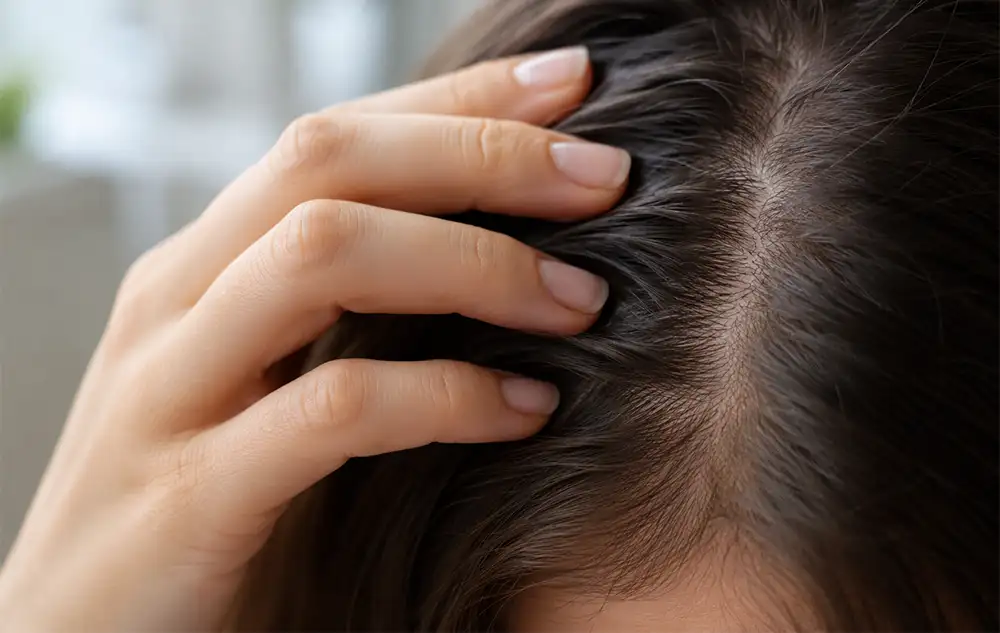
Skin is skin, no matter where it sits on the body. The scalp shares the same basic structure as the skin on your forehead and cheeks: an outer epidermis that forms a protective barrier, a deeper dermis packed with blood vessels, nerve endings, and connective tissue, and a fatty layer underneath that cushions and insulates. The scalp is, quite literally, continuous with your facial skin along the hairline.
What makes the scalp distinct is what is built into it. It contains an enormous density of hair follicles and an unusually high number of sebaceous, or oil producing, glands. Researchers estimate the scalp and forehead can carry several hundred sebaceous glands per square centimeter, among the highest concentrations found anywhere on the body. That single fact explains a lot about why scalps behave the way they do.
Every hair follicle on the scalp is paired with a sebaceous gland in what dermatologists call a pilosebaceous unit. These glands secrete sebum, a waxy, oily substance made mostly of triglycerides, wax esters, and squalene. Sebum is not a flaw to be stripped away. It coats the hair shaft, helps the skin retain moisture, and contributes to the scalp’s natural acid mantle, a slightly acidic barrier that helps keep bacteria and irritants in check.
Problems show up when sebum production swings too far in either direction. Overactive glands can leave roots looking greasy within a day of washing, while underactive glands or harsh, stripping shampoos can leave the scalp dry, tight, and flaking. Both extremes are skin barrier issues, not just hair issues, which is exactly why treating the scalp with the same care you would give facial skin tends to produce better results than treating it purely as a haircare problem.
Flaking is one of the most common scalp complaints clients bring into a salon chair. Simple dandruff is often linked to a yeast called Malassezia that lives naturally on the skin and can overgrow when sebum production is high. Seborrheic dermatitis is a related but more inflamed condition that can also appear on the eyebrows, sides of the nose, and ears, areas with similarly high oil gland density.
Psoriasis is an autoimmune condition that speeds up skin cell turnover, creating thick, silvery patches that can extend past the hairline onto the forehead or neck. Because it is a medical skin condition, it falls outside a cosmetologist’s scope of practice to diagnose or treat, but recognizing the signs helps a stylist refer a client appropriately instead of recommending the wrong product.
Hair color, relaxers, and other chemical services come into direct contact with scalp skin. A reaction to an ingredient, most often a fragrance or a dye component like PPD, can cause redness, swelling, or burning. This is one of the clearest reasons cosmetology programs train students to perform patch tests and read scalp condition before a chemical service, not just after one.
Inflammation or infection at the base of a hair follicle can look like small red bumps or pimples across the scalp. It is frequently linked to clogged follicles, friction from tight hairstyles, or bacteria, and it is a good example of why sanitation practices in a salon setting matter for skin health, not just hygiene.
Once the scalp is understood as skin, a few habits make more sense. Gentle, pH balanced cleansers protect the acid mantle better than harsh sulfates. Periodic exfoliation, using a scalp scrub or a soft brush, helps clear built up product and dead skin cells the same way facial exfoliation does. Sunscreen or a hat along the part line matters because that strip of skin gets direct UV exposure most people never think to protect. Even the order of product application can matter, since heavy oils and serums can sit on scalp skin and clog follicles the same way a rich face cream can clog facial pores.
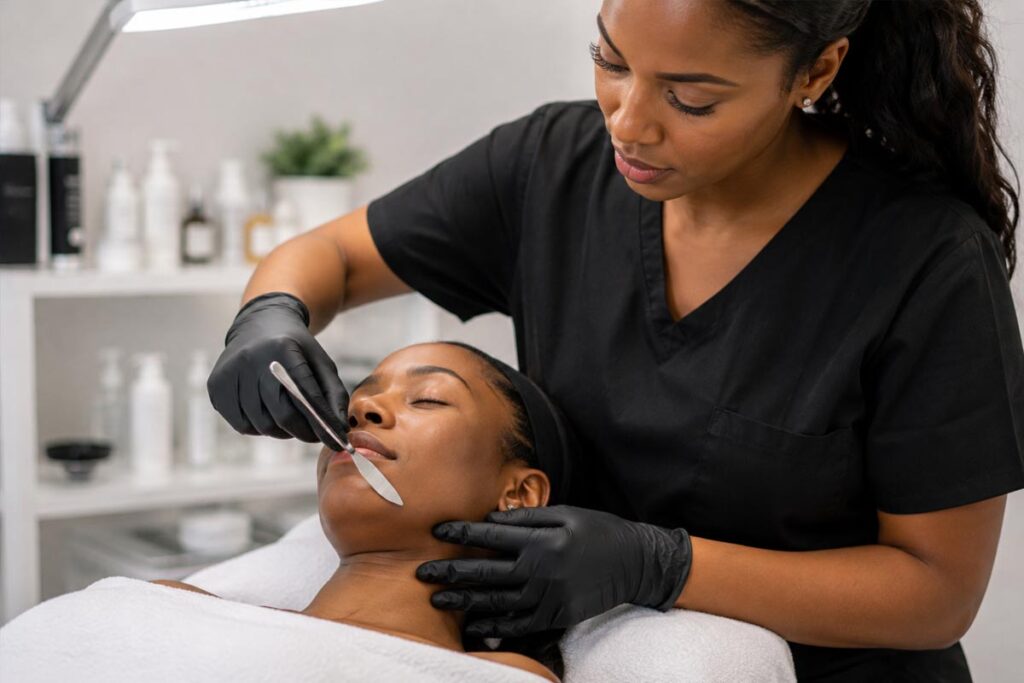
This is also where the line between hair care and skin care starts to blur in a professional setting. A scalp treatment shares more in common with a facial than most clients realize, which is part of why many of the same massage, steam, and product layering techniques used in services like a galvanic facial treatment show up in advanced scalp work as well.
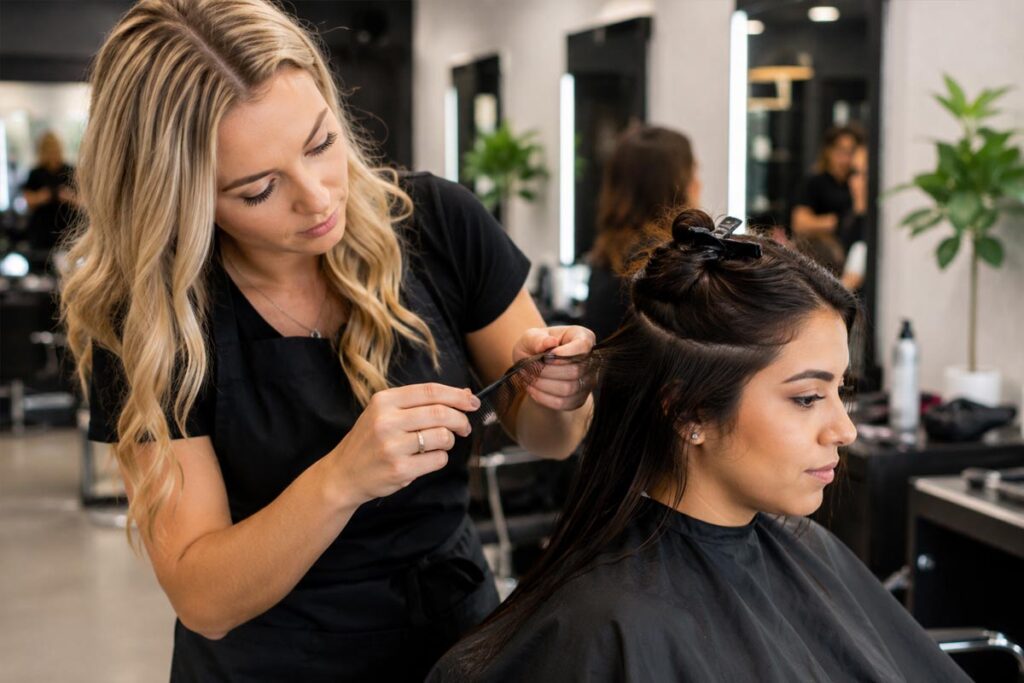
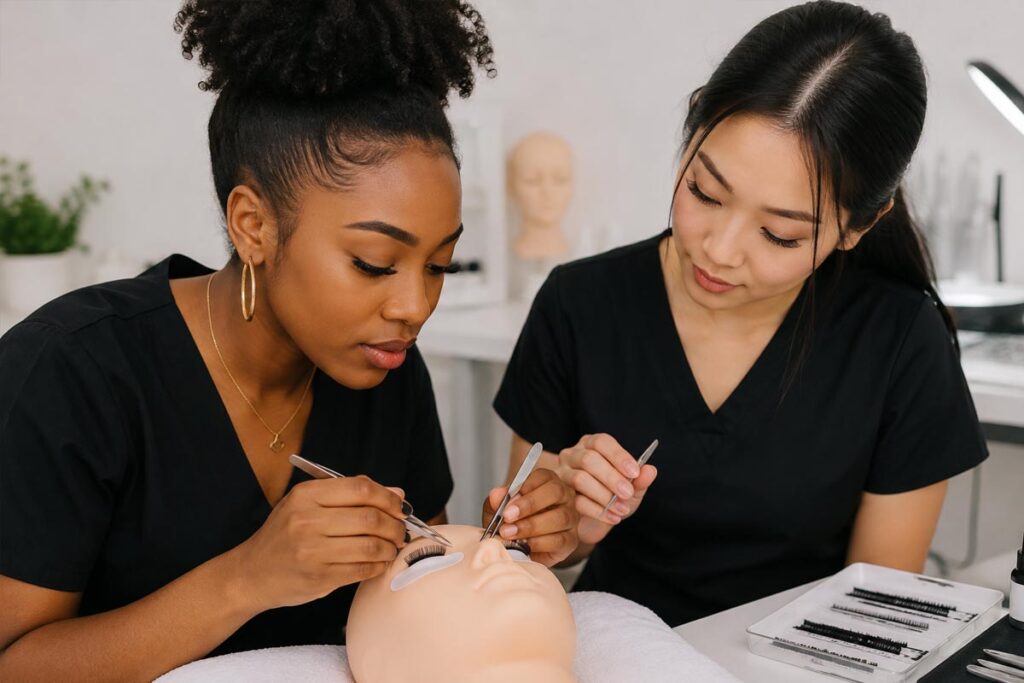
At TSPA Delaware, scalp and skin science is not an afterthought tucked into a single lecture. Students in the cosmetology program learn trichology basics alongside cutting and coloring, because reading the scalp correctly affects which services are safe to perform and how to space them out. Students who lean toward skin focused work often continue into the esthetics program, where scalp and facial skin analysis, product ingredient knowledge, and treatment protocols go even deeper.
This kind of training also reflects where the broader beauty industry is heading. Clients increasingly ask about ingredients and ask why a product works, not just whether it smells nice, and a future professional who can explain sebum, barrier function, and product pH with confidence stands out immediately. For a quick primer on the vocabulary that comes up in these conversations, TSPA Delaware’s beauty industry terms guide is a useful companion read.
Part of being a trustworthy beauty professional is knowing the edges of your role. Persistent scalp pain, sudden hair loss in patches, open sores, or a rash that does not respond to gentle, over the counter care are signs that belong with a dermatologist or physician, not a salon service. Cosmetologists and estheticians are trained to recognize these signs and refer clients out, which protects the client and keeps the relationship between beauty professionals and medical providers working the way it should.
If learning how skin and scalp science connects to real client results sounds interesting, it may be worth exploring whether a hands on path in beauty is the right fit. TSPA Delaware’s quick esthetician self assessment is a low pressure way to find out, and the admissions team is also available through the contact page for anyone who wants to talk through program options directly.
Yes, structurally. The scalp has the same epidermis, dermis, and fatty layer as facial skin and is physically continuous with it at the hairline. What sets the scalp apart is the very high concentration of hair follicles and oil producing sebaceous glands packed into that area.
The scalp has one of the highest densities of sebaceous glands on the body, often cited in the range of several hundred glands per square centimeter. More glands generally means faster sebum production, which is why roots can look oily well before the ends of the hair do.
Chronic inflammation, clogged follicles, or untreated conditions like seborrheic dermatitis and psoriasis can contribute to hair thinning or shedding over time. Addressing the underlying scalp issue, with help from a dermatologist when it is a medical condition, is usually the first step toward healthier growth.
Many dermatologists and stylists recommend gentle, periodic scalp exfoliation to clear product buildup and dead skin cells, similar in principle to facial exfoliation. The key word is gentle, since the scalp skin barrier can be disrupted by overly aggressive scrubs just like facial skin can.
Yes. Programs that meet state licensing requirements, including the cosmetology and esthetics programs at TSPA Delaware, include coursework on skin and scalp anatomy, sebaceous gland function, and common scalp conditions, because that knowledge directly affects which services are safe and effective for a given client.
This article discusses general skin and scalp health information for educational purposes. It is not a substitute for diagnosis or treatment from a licensed dermatologist or physician.