Walk into any salon or spa and you’ll see a menu full of options—hydrating facials, clarifying treatments, smoothing services, repair masks, scalp therapies. It’s easy to feel overwhelmed. The truth is, the “best” facial or hair treatment isn’t universal. It depends on your skin type, hair texture, lifestyle, and even the season.
Choosing the right service isn’t about trends. It’s about understanding what your skin and hair actually need and pairing that knowledge with professional-grade products and techniques.
Start With Your Skin Type, Not the Trend
Skincare trends come and go, but your skin has consistent behaviors. Understanding those behaviors is the foundation of choosing the right facial.
Dry or Dehydrated Skin
Dry skin often feels tight, flaky, or dull. Dehydrated skin can still produce oil but lacks water.
Best facial options usually focus on:
-
Deep hydration
-
Barrier repair
-
Gentle exfoliation
-
Nourishing serums
Ingredients like hyaluronic acid, ceramides, and soothing botanicals work best here. Aggressive treatments often make dryness worse, not better.
Oily or Acne-Prone Skin
Oily skin isn’t the enemy—it just needs balance. The wrong treatments can strip the skin and trigger even more oil production.
Helpful treatments typically include:
-
Deep cleansing facials
-
Gentle exfoliation
-
Oil-balancing masks
-
Calming anti-inflammatory products
Professional-grade clarifying products work more effectively than over-the-counter solutions that often overdry the skin.
Sensitive or Reactive Skin
Sensitive skin needs a careful approach. Redness, stinging, or flare-ups are signs that less is more.
The right facial focuses on:
-
Strengthening the skin barrier
-
Reducing inflammation
-
Avoiding harsh exfoliants
This is where professional guidance matters most, as product choice and technique make a huge difference.
Hair Treatments Should Match Texture and Condition
Just like skin, hair responds differently depending on its natural texture and current condition.
Fine or Flat Hair
Fine hair benefits from lightweight treatments that strengthen without weighing it down.
Look for:
-
Protein-based repair treatments
-
Scalp-focused therapies
-
Lightweight conditioning masks
Heavy oils and rich masks can leave fine hair limp rather than healthy.
Thick, Curly, or Coarse Hair
Thicker textures usually need more moisture and flexibility.
Ideal treatments often include:
-
Deep conditioning masks
-
Curl-enhancing hydration treatments
-
Frizz-control services
These treatments help maintain shape, shine, and manageability without sacrificing volume.
Color-Treated or Chemically Processed Hair
Chemical services change the hair’s structure, making targeted treatments essential.
The right approach may include:
-
Bond-repair treatments
-
Moisture and protein balance
-
Color-safe conditioning products
Professional treatments help extend the life of color while improving overall hair health.
Why Product Tie-Ins Matter
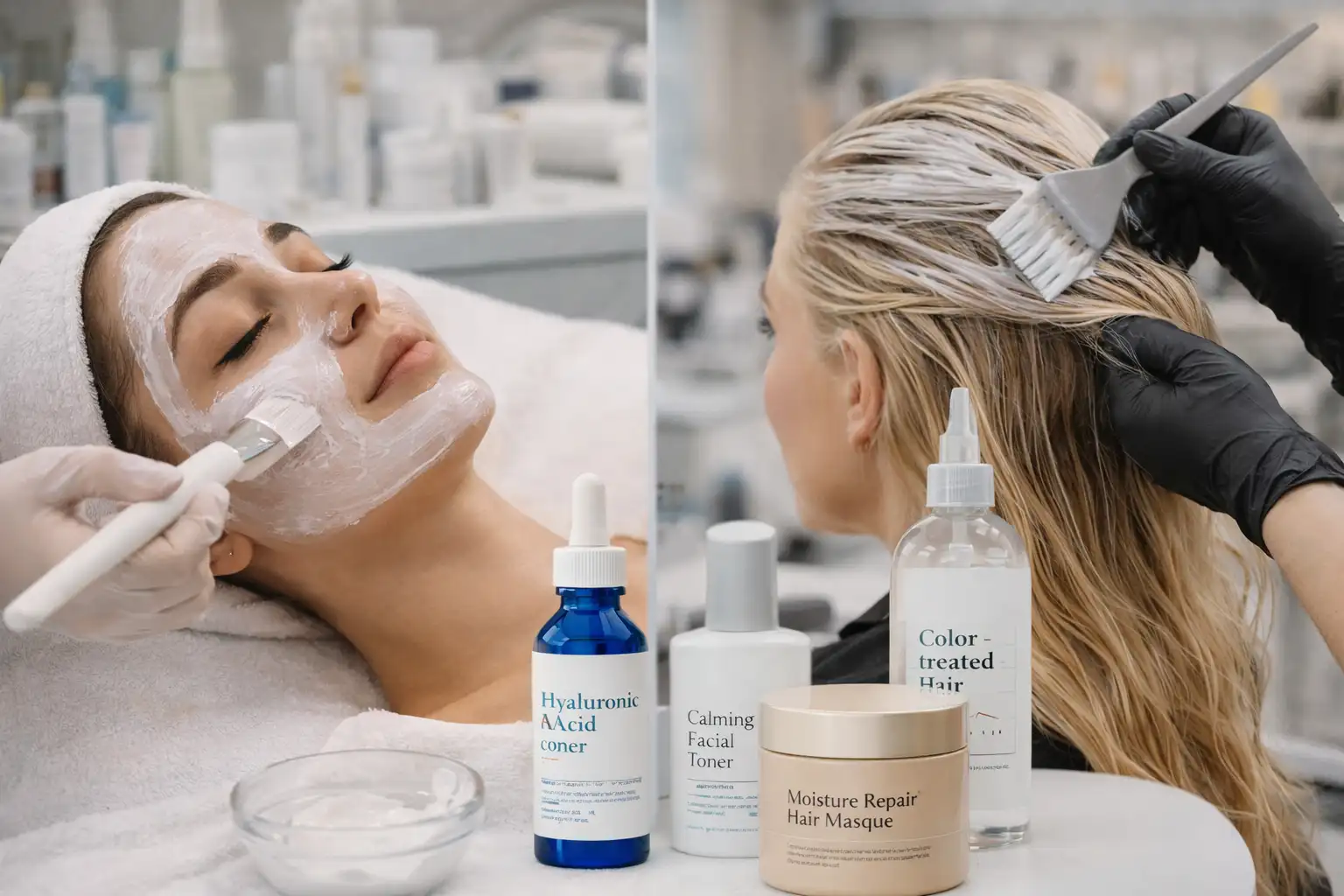
One of the biggest advantages of professional treatments is access to products formulated for results, not just marketing. The products used during your facial or hair service aren’t random—they’re selected to work with your specific concerns.
Even better, your stylist or esthetician can recommend home-care products that:
-
Maintain results longer
-
Prevent future issues
-
Work with your routine, not against it
This is where education meets personalization, and why professional services outperform DIY solutions.
Seasonal Changes Affect Skin and Hair
Your skin and hair don’t need the same treatment year-round.
-
Winter often calls for more hydration and barrier repair
-
Summer may require oil control and sun protection
-
Seasonal humidity affects frizz, volume, and scalp health
Regular consultations help adjust treatments as conditions change, keeping results consistent instead of reactive.
The Value of Professional Consultation
Choosing the right facial or hair treatment shouldn’t feel like guesswork. A trained professional looks at:
-
Skin behavior, not just skin type
-
Hair texture, density, and history
-
Lifestyle habits and maintenance goals
This personalized approach ensures treatments are effective, comfortable, and worth the investment.
If you’re exploring salon services in Dagsboro, working with experienced professionals ensures treatments are chosen for your needs—not just what’s popular.
FAQs
How do I know which facial is right for me?
A professional consultation is the best place to start. Skin type, concerns, and sensitivity all matter.
Can I get facials regularly?
Yes. Most people benefit from facials every 4–6 weeks, depending on skin goals.
Do hair treatments really make a difference?
When matched to your hair type and condition, professional treatments improve strength, shine, and manageability.
Should I change treatments seasonally?
Often, yes. Skin and hair needs shift with weather, humidity, and lifestyle changes.
Are professional products better than store-bought ones?
Professional products are typically more concentrated and formulated to address specific concerns effectively.
Can one treatment fix everything?
No single service is a cure-all. Consistency and the right combination of treatments deliver the best results.
Choosing the right facial or hair treatment isn’t about doing more—it’s about doing what’s right for you. With proper education, professional insight, and targeted products, your skin and hair get exactly what they need to look and feel their best.