
Salon reviews can tell you a lot more than ratings alone. When you look closely at what clients repeatedly complain about, patterns start to appear. These patterns are not random. They reveal the small breakdowns in communication, consistency, and professionalism that directly impact client satisfaction.
After reviewing salon feedback across multiple regions, including Delaware, a clear set of recurring issues emerges. These are not extreme or rare situations. They are everyday problems that quietly affect reputation, retention, and word of mouth.
The good news is that nearly all of them are preventable with the right habits and training.
Here are the ten most commonly complained about salon experiences and how professionals can avoid them.
One of the most frequent complaints is simply waiting too long for an appointment to start. Clients are often willing to wait if they understand why, but frustration builds quickly when there is no communication.
The issue is not always the delay itself. It is the lack of explanation.
When stylists or front desk teams acknowledge delays and provide realistic timing, satisfaction improves significantly even if the wait is the same.
This is one of the most damaging and common issues in salon reviews. Clients often describe disappointment not because the work is poor, but because it is different from what they expected.
The root cause is usually unclear consultation at the beginning of the appointment.
When expectations are not confirmed in detail before starting, even skilled work can feel incorrect to the client.
Many negative reviews mention feeling like the stylist was in a hurry. This creates the impression that the client is not a priority.
Interestingly, this complaint often appears even when timing is normal. It is usually caused by body language, lack of conversation, or skipping explanation steps.
A slower, more intentional approach often improves perception even if the actual service time does not change much.
Clients frequently report frustration when they are not told what is happening during their appointment.
This can include not explaining product choices, not describing steps, or not checking in during longer services.
Even simple communication like explaining what comes next can significantly improve the client experience.
Consistency is a major factor in client loyalty. One great appointment is not enough if the next one feels completely different.
Clients often mention frustration when their hair color, cut, or treatment changes unexpectedly between visits without explanation.
Consistency builds trust. Without it, even good work can feel unreliable.
Cleanliness is one of the fastest ways to build or lose trust. Clients may not always mention cleanliness in positive reviews, but they quickly mention it in negative ones.
This includes stations that are cluttered, tools that appear unclean, or general lack of organization in the space.
A clean, organized environment signals professionalism before any service even begins.
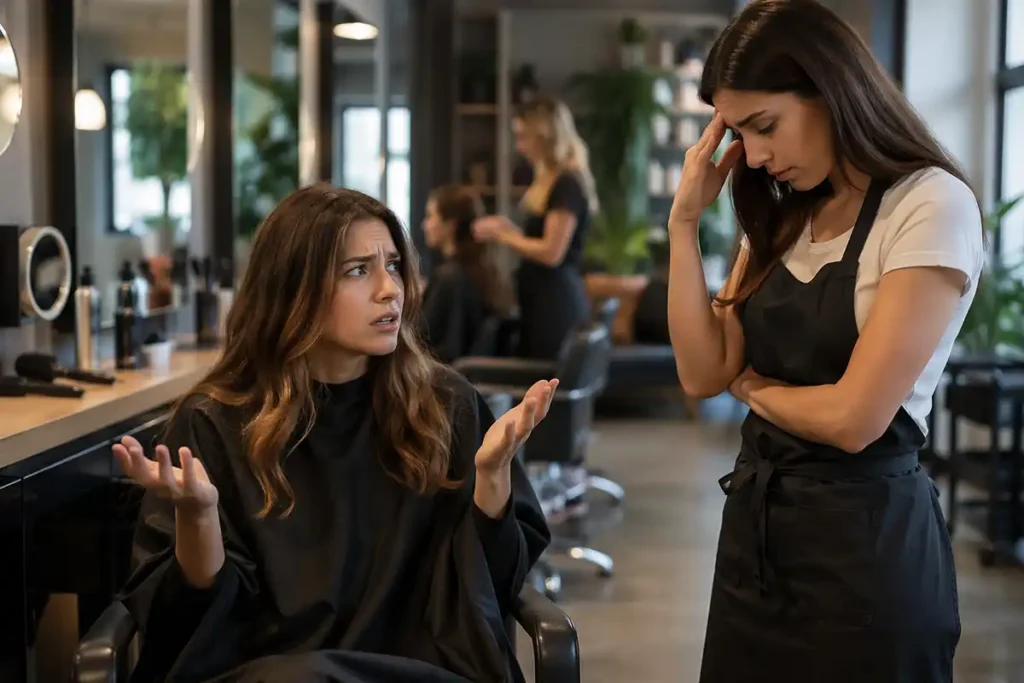
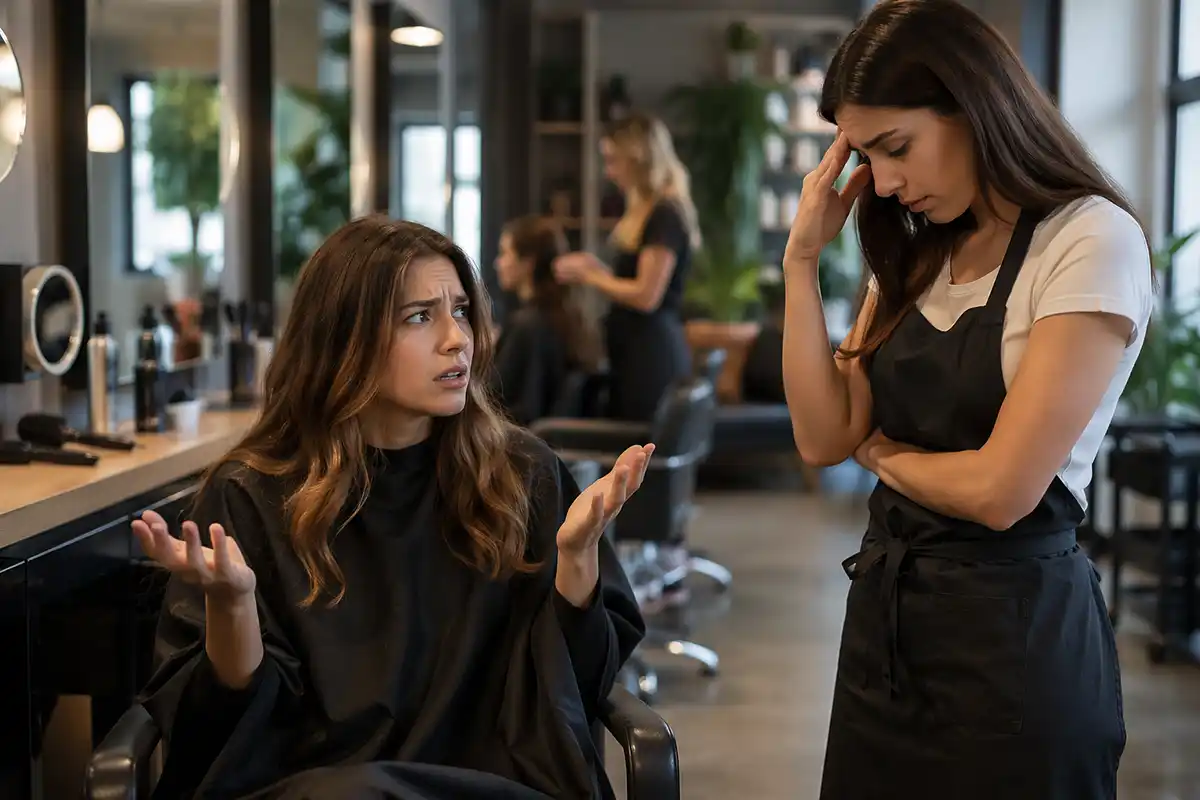
A recurring issue in negative reviews is the feeling of not being heard. Clients often say they explained what they wanted, but the final result did not reflect it.
This usually happens when consultations are rushed or when assumptions are made instead of asking clarifying questions.
The most successful stylists tend to repeat back what the client wants before starting any service.
Price complaints rarely come from the cost itself. They usually come from surprise charges or unclear pricing structures.
When clients are not informed about additional costs before the service begins, trust is immediately reduced.
Clear communication about pricing before starting prevents most of these issues.
Another common frustration involves appointment scheduling issues. This includes double bookings, incorrect timing, or confusion about services booked.
Clients expect the booking process to be simple and reliable. When it is not, it affects their perception of the entire business.
A smooth scheduling system often improves client satisfaction before they even arrive.
Clients want to feel remembered. When they return to a salon and have to re-explain everything from scratch, it creates a sense of disconnect.
Even small details like remembering a previous haircut, color formula, or personal preference can significantly improve loyalty.
When clients feel like just another appointment, they are less likely to return.
When you step back and look at these issues together, a clear pattern emerges. Most salon complaints are not about technical skill alone. They are about communication, consistency, and experience design.
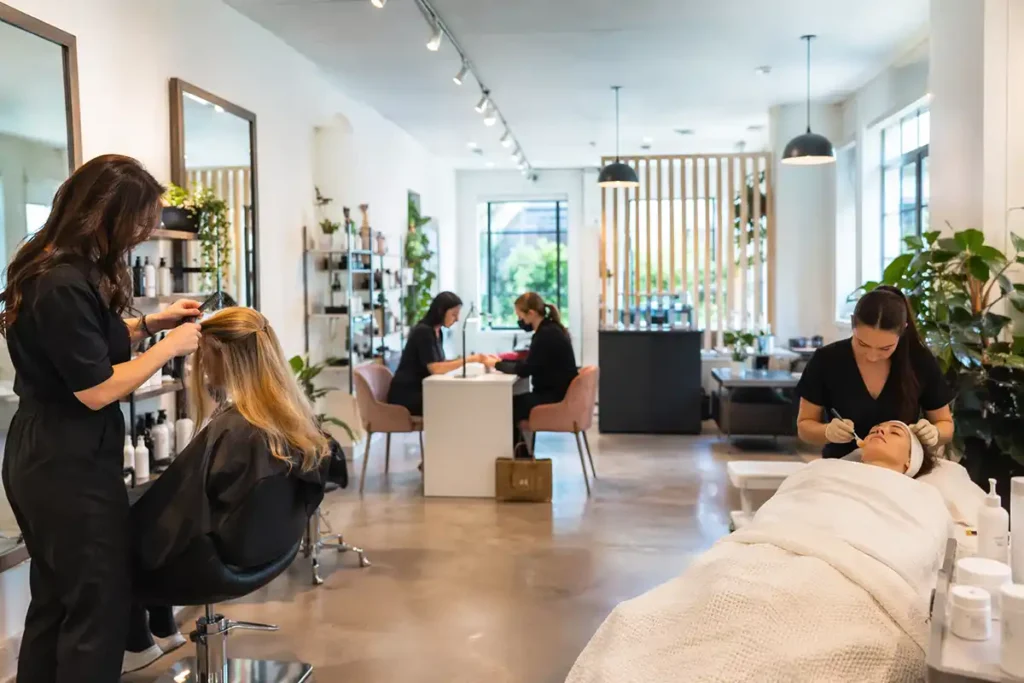
Clients are rarely evaluating only the haircut, color, or facial. They are evaluating the entire process from booking to checkout.
This is why salons that focus on experience tend to outperform those that focus only on technical output.
For students and aspiring cosmetologists, these patterns are extremely important. They show that success in the beauty industry depends on more than just learning techniques.
Strong professionals develop habits early, including clear communication during consultations, consistent service delivery, and attention to client experience.
Training environments such as student salons that TSPA Delware has play a key role in building these habits. Practicing with real clients helps students understand that small details often matter as much as technical skill.
Most salon complaints are preventable. They are not caused by a lack of talent, but by gaps in communication, consistency, and client awareness.
The salons and professionals that stand out are not just the most skilled. They are the most reliable, the most attentive, and the most consistent in how they treat every client experience from start to finish.