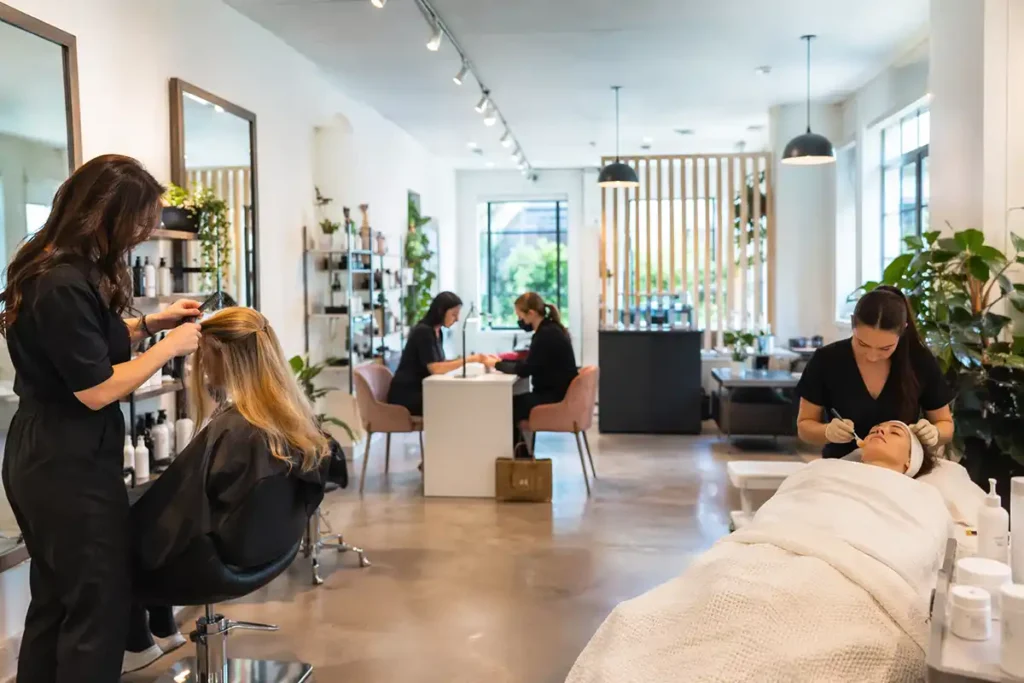
Most people walk into cosmetology school expecting to learn how to cut hair, apply makeup, and maybe master a few trending styles. That’s part of it, but it’s far from the whole picture. Many students are genuinely surprised by how deep, technical, and wide-ranging cosmetology education really is.
From science-heavy lessons to real-world business training, cosmetology school prepares you for much more than working behind a chair. Here’s what students often don’t expect, but end up appreciating the most.
You Learn the Science Behind Beauty
Cosmetology isn’t guesswork. There’s real science involved, and a lot of it shows up early in your training.
Students learn:
-
Hair structure and growth cycles
-
Skin anatomy and conditions
-
Nail disorders and health concerns
-
Product chemistry and ingredient behavior
Understanding why products work (or don’t) helps future professionals make smarter choices for their clients. This knowledge is also what separates trained cosmetologists from hobbyists.
Sanitation Is a Big Deal, And Rightfully So
Clean tools aren’t just about looking professional. They’re about safety, health, and trust.
Cosmetology school places heavy emphasis on:
-
Infection control
-
Proper disinfection and sanitation methods
-
State board regulations
-
Client and practitioner safety
Students often say this part of training changes how they look at salons forever, in a good way. Once you understand sanitation standards, you see the industry through a more professional lens.
Communication Skills Matter More Than You Think
Great technical skills won’t get you far if you can’t communicate. One of the most surprising lessons in cosmetology school is learning how to talk to clients effectively.
You’ll practice:
-
Consultation techniques
-
Managing expectations
-
Handling difficult conversations
-
Building trust and rapport
Clients don’t always know how to explain what they want. Learning how to listen, clarify, and guide them is a skill that takes practice, and cosmetology school gives you plenty of it.
You’re Taught How to Handle Real People, Not Just Mannequins
Mannequins are helpful, but working on real clients is where confidence is built. Many programs move students into supervised clinic settings faster than expected.
This teaches you:
-
Time management
-
Professional behavior
-
Adaptability when things don’t go exactly as planned
-
How to work under pressure
It’s one thing to practice a technique in theory. It’s another to perform it while someone is trusting you with their appearance.
Business Training Is Part of the Curriculum
This part surprises almost everyone.
Cosmetology school doesn’t just train artists, it trains future business owners, freelancers, and independent professionals. You’ll learn basics like:
-
Client retention
-
Pricing services
-
Retail sales strategies
-
Branding and professionalism
Whether you dream of owning a salon or renting a booth, these lessons help you earn a living, not just a license.
Time Management Becomes a Survival Skill
Between classes, clinic hours, exams, and personal life, students quickly learn how to manage their time.
Cosmetology school teaches discipline in subtle ways:
-
Staying on schedule with services
-
Balancing speed with quality
-
Meeting state-required hours
These habits carry over into your career, where efficiency often determines success.
You Learn to Accept (and Use) Feedback
Instructors correct technique constantly, and that’s a good thing. Learning to take feedback without taking it personally is one of the most valuable skills students gain.
Over time, students realize:
-
Correction leads to growth
-
Confidence comes from practice, not perfection
-
Everyone starts somewhere
This mindset helps professionals keep improving long after graduation.
It’s More Physically Demanding Than Expected
Standing for long hours, using your hands constantly, and maintaining posture is part of the job. Cosmetology school prepares students for the physical side of the industry.
You’ll learn:
-
Proper ergonomics
-
How to protect your hands and joints
-
Why body mechanics matter long-term
Many students say this awareness helps prevent burnout later in their careers.
Education Doesn’t Stop at Graduation
Perhaps the biggest surprise is realizing cosmetology is a career of continuous learning.
Trends change. Products evolve. Techniques improve. Cosmetology school teaches you how to learn, not just what to learn, so you can grow with the industry instead of falling behind.
Choosing the Right School Matters
The depth of what you learn depends heavily on where you train. A quality program goes beyond minimum requirements and prepares students for real careers.
If you’re exploring a Cosmetology School in Delaware, programs like the one offered at TSPA
focus on hands-on experience, professional standards, and career readiness, not just passing the state board.
FAQs
Is cosmetology school just about hair?
No. Students learn hair, skin, nails, sanitation, business skills, and client communication.
Do you really need to learn science in cosmetology school?
Yes. Understanding anatomy and chemistry helps professionals work safely and effectively.
Is cosmetology school hard?
It can be challenging, especially balancing time and learning new skills, but it’s manageable with commitment.
How long does cosmetology school take?
Program length varies by state and school but typically ranges from 12 to 18 months.
Will cosmetology school prepare me to run a business?
Most programs include foundational business and professional development training.
Can I specialize after cosmetology school?
Absolutely. Many graduates go on to focus on hair, esthetics, nails, or advanced certifications.
Cosmetology school surprises students because it’s deeper, more structured, and more practical than expected. It doesn’t just teach beauty, it teaches professionalism, responsibility, and how to build a future in a fast-moving industry.